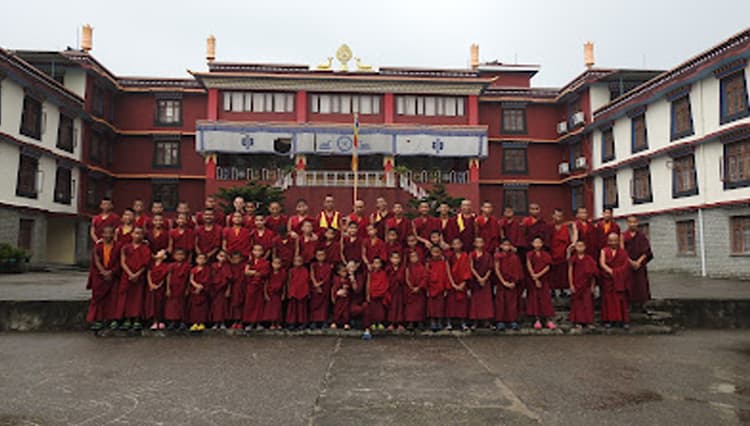
ཞ་ལུ་དགོན། (ཞ་ལུ། ཏི་ལོ་པུར།)
༄༅། །ཞ་ལུ་དགོན་ནི། བཙན་བྱོལ་ནང་ཐོག་མར་ཕྱི་ལོ་ ༢༠༠༥ ལོར་སྤྱི་ནོར་༸གོང་ས་༸སྐྱབས་མགོན་ཆེན་པོས་རིས་སུ་མ་ཆད་པའི་ཆོས་བརྒྱུད་ཁག་ལ་གཟིགས་པ་བླ་ན་མེད་པ་གནང་བཞིན་པའི་བཀའ་དྲིན་ལ་བརྟེན། དཔལ་ལྡན་དགའ་ལྡན་ཕོ་བྲང་ནས་ཕྱག་གྲོན་ཆ་ཚང་གནང་ནས་སྤོན་ཊ་ཆོལ་གསུམ་གཞིས་ཆགས་སུ་ཕྱག་བཏབ། ཕྱི་ལོ་ ༢༠༡༧ ཟླ་ ༡༠ ཚེས་ ༢༧ ཉིན་༸དཔལ་རྒྱལ་བ་ཀརྨ་པ་སྐུ་ཕྲེང་བཅུ་བདུན་པ་ཨོ་རྒྱན་འཕྲིན་ལས་རྡོ་རྗེ་མཆོག་ནས་ཏི་ལོ་པུར་གྱི་དགོན་འདི་གསོལ་རས་གནང་ཞིང་། དེ་རྗེས་སློབ་གཉེར་བ་ཕལ་ཆེ་བ་འདི་གར་གནས་སྤོས་ཀྱིས་སློབ་གཉེར་བྱ་ཡུལ་གྱི་བསྟི་གནས་སུ་གྱུར། ནང་རྟེན་དུ་འཇིམ་པ་ལས་གྲུབ་པའི་སྟོན་པའི་སྣང་བརྙན་དང་། གྲུབ་ཆེན་ཏི་ལོ་པ། རྒྱལ་བ་ཀརྨ་པ་སྐུ་ཕྲེང་བཅུ་དྲུག་པ། ཞ་ལུ་དགོན་པ་ཐོག་མར་ཕྱག་འདེབས་མཁན་བསྟན་པ་ཕྱི་དར་གྱི་ཐོག་མའི་དབུས་གཙང་གི་མཁས་པ་མི་བཅུའི་ཡ་གྱལ་ལོ་སྟོན་རྡོ་རྗེ་དབང་ཕྱུག་གི་སློབ་མ་ལྕེ་བཙུན་ཤེས་རབ་འབྱུང་གནས། བུ་སྟོན་ཐམས་ཅད་མཁྱེན་པའི་སྣང་བརྙན། གསེར་ཟངས་ལས་གྲུབ་པའི་འཇམ་མགོན་བླ་མ་ཙོང་ཁ་པ་ཡབ་སྲས་གསུམ་དང་། སྒྲོལ་མ། གཞན་ཡང་སྟོན་པ་དང་། སྒྲོལ་མ། མི་འཁྲུགས་པ་ལྷ་བཅུ་གསུམ་གྱི་བྲིས་ཐང་སོགས་ཡོད། དེང་སྐབས་དགེ་འདུན་ཞལ་གྲངས་ ༦༦ ཙམ་ཡོད་ལ། སློབ་གཉེར་གྱི་བྱེད་སྒོ་གཙོ་བོ་ནི། སྤྱི་ནོར་༸གོང་ས་༸སྐྱབས་མགོན་ཆེན་པོ་མཆོག་གི་དགོངས་གཞི་དབུ་འོག་དཔུང་འདེགས་ཀྱིས། འདི་གའི་གྲྭ་པ་རྣམས་སྲོལ་རྒྱུན་གྱི་ཆོས་ཕྱོགས་དང་འབྲེལ་བའི་ལམ་སྲོལ་རྒྱུན་འཛིན་ཐུབ་ཙམ་གྱིས་མི་ཆོག་པར། དུས་ཀྱི་འགྱུར་འགྲོས་དང་མཐུན་པའི་དེང་རབས་གསར་པའི་ཤེས་བྱ་ཁག་ལ་སློབ་སྦྱོང་བྱས་ཏེ། གནའ་དེང་ཟུང་འབྲེལ་གྱི་ཤེས་ཡོན་ལྡན་པའི་དུས་རབས་ཉི་ཤུ་རྩ་གཅིག་པའི་ནང་པ་ཞིག་ཡོང་བའི་དམིགས་ཡུལ་བཟུང་སྟེ། ཞ་ལུའི་ཐུན་མོང་མིན་པའི་ཆོ་ག་ཕྱག་ལེན་དང་། འདོན་རྟ་དབྱངས་སོགས་ཕྱག་སྲོལ་གང་ཡིན་པ་རྣམས་གང་ཐུབ་ཀྱིས་ཉམས་པ་སླར་གསོ་དང་། མི་ཉམས་རྒྱུན་འཛིན་ཐོག པཎ་ཆེན་བསོད་ནམས་གྲགས་པའི་ཡིག་ཆའི་ཐོག་གཞུང་ཆེན་ཁག་ལ་སློབ་སྦྱོང་དང་། བོད་ཡིག་དང་། ཨིན་ཡིག ཚན་རིག རི་མོ་སོགས་སློབ་སྦྱོང་བྱེད་བཞིན་པ་ཡིན། ལོ་གཅིག་ནང་ཆོས་ཕྱོགས་ཀྱི་བྱེད་སྒོ་ཁག་ནི། སྤྱིར་གཞིས་དགོན་དུ་ཆོས་ཕྱོགས་ཀྱི་བྱེད་སྒོ་ཧ་ཅང་མང་ཡང་། བྱེས་དགོན་དུ་ད་ལྟའི་གནས་བབ་ལ་ལྟོས་ནས་ལོ་ལྟར་དུས་མཆོད་དུ་བོད་ཟླ་དྲུག་པའི་ཚེས་ཉི་ཤུ་གཅིག་གི་ཉིན། ཐམས་ཅད་མཁྱེན་པ་བུ་སྟོན་རིན་ཆེན་གྲུབ་ཀྱི་དགོངས་རྫོགས་དུས་མཆོད་དང་། དཔལ་དུས་ཀྱི་འཁོར་ལོ་དང་འབྲེལ་བའི་བླ་མ་མཆོད་པའི་ཚོགས་འཁོར་ཟབ་རྒྱས་དང་། ཟླ་རེའི་ཡར་ངོའི་ཚེས་བརྒྱད་ཉིན་སྤྱི་ནོར་༸གོང་ས་༸སྐྱབས་མགོན་ཆེན་པོ་མཆོག་གིས་དབུས་པའི་རིས་སུ་མ་ཆད་པའི་བསྟན་འཛིན་གྱི་སྐྱེས་བུ་དམ་པ་གང་ན་སུ་བཞུགས་ཐམས་ཅད་སྐུ་ཁམས་བདེ་ཞིང་སྐུ་ཚེ་ཞབས་པད་བརྟན་པ་དང་། སེམས་ཅན་ཐམས་ཅད་ལ་ནད་རིགས་མི་འབྱུང་བའི་ཆེད་སྨན་བླ་བདེ་གཤེགས་བརྒྱད་ཀྱི་ཆོ་ག་དང་། ཟླ་རེའི་རེས་གཟའ་ལྷག་པ་དང་པོ་༸རྒྱལ་བའི་བླ་གཟའ་དང་བསྟུན། ༸གོང་ས་༸སྐྱབས་མགོན་ཆེན་པོ་མཆོག་གིས་གཙོས་པའི་བསྟན་འཛིན་གྱི་སྐྱེས་བུ་དམ་པ་རྣམས་ཀྱི་སྐུ་ཚེ་མཛད་འཕྲིན་ལ་བར་ཆད་མི་འབྱུང་བའི་ཆེད་སྒྲོལ་ཆོག་དང་། ཟླ་རེའི་ཚེས་བཅོ་ལྔའི་ཉིན་བོད་བསྟན་སྲིད་ཀྱི་ཆེད་དུ་རང་ལུས་མེར་སྲེག་གནང་མཁན་རྣམས་དང་། བོད་རྒྱལ་ཁབ་ཀྱི་ཆེད་དུ་སྐུ་སྲོག་ཤོར་བའི་རྒྱལ་གཅེས་དཔའ་བོ་དཔའ་མོ་རྣམས་ཀྱིས་གཙོས་པའི་སེམས་ཅན་ཚེ་ལས་འདས་ཚད་རྣམས་ཀྱི་ཆེད་རྒྱལ་བ་མི་འཁྲུགས་པ་ལྷ་བཅུ་གསུམ་གྱི་བདག་མདུན་བུམ་གསུམ་བྱང་དབང་དང་བཅས་པའི་ཆོ་ག་རྒྱས་པ་དང་། ཟླ་རེའི་ཚེས་ཉེར་དགུའི་ཉིན་སྤྱི་ནོར་༸གོང་ས་༸སྐྱབས་མགོན་ཆེན་པོ་མཆོག་གིས་གཙོས་པའི་བསྟན་འཛིན་གྱི་སྐྱེས་བུ་དམ་པ་རྣམས་ཀྱི་སྐུ་ཚེ་མཛད་འཕྲིན་རྒྱས་པ་དང་། བོད་ཀྱི་བདེན་མཐའ་མྱུར་དུ་གསལ་བའི་ཆེད་དུ་དཔལ་ལྡན་ལྷ་མོ་སོགས་དམ་ལྡན་བསྟན་སྲུང་རྣམས་ཀྱི་བསྐང་གསོ་རྒྱས་པ། ལྷག་པར་དུ་རང་གཞུང་ནས་བཀའ་ནམ་ཕེབས་ཀྱི་ཞབས་རིམ་ཁག་བསྒྲུབས་དང་སྒྲུབ་མུས་ཡིན།། །།
63W9+PFH, Mandi - Pathankot Rd, Bhatoli, , Bhatoli,
, 176225
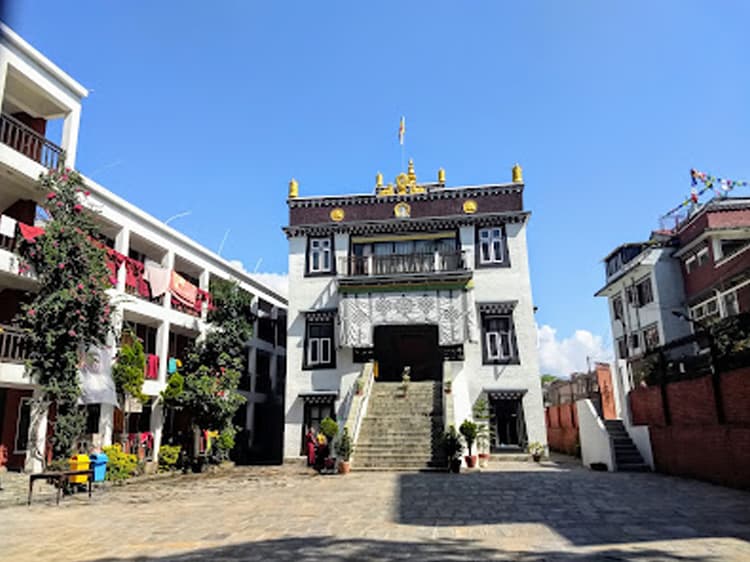
Porong Pelmo Choeding
Porong Pelmo Choeding Monastery was first established in Tibet by Bodong Panchen Phokley Namgyal in Upper Porong. After Bodong Phokley Namgyal passed away, there were only married monks in the monastery. However, the practice of tantra was pure. Gradually, without education, the rituals and practices gradually declined, and in 1959, when the revolt occurred, there were about 50 to 60 monks, and the practice tradition was not completely lost. After arriving in exile, Porong Pelmo Choeding was initially taken over by the Porong monks and lay people who settled in Nepal, and a porong Dharma Association was established. Then, in 1960, the Bodong Sungbum, which was brought from Tibet, along with the assembly hall, statues, thangkas, and many offerings, were offered to His Holiness through the Nepal Office. A few remaining offerings, such as the clay statue of Jigdral Phokley Namgyal, were entrusted to Orgyen Tulku's monastery, and the monks dispersed. After that, the Po-rong people who settled in Nepal would come to offer butter lamps without interruption in front of the life-size statue of Jigdral Yeshe Dorje on auspicious occasions. Later, some of the elderly monks of the monastery who were in India were invited, and the life-size statue and offerings were brought back from Orgyen Tulku's monastery, and a small monastery was built. The po-rong monks and laypeople jointly managed it, and the group was named Spo-rong Dharma Association. Then, gradually, the number of monks increased, and again, after the porong Chos Tsok completed the construction of the current monastery, porong Palmo Chosding, in 2005, it was managed and maintained. In accordance with the Dalai Lama's decree in Dharamsala, the Bodong Sungrap Research Center was established in 2003 to study and plan the study of the commentaries on the five major texts of Bodong Panchen. In connection with the search for the lineage of empowerment and oral instructions, efforts are being made to obtain them from qualified non-sectarian lamas and to restore the practice of rituals through research. In order to restore the Dharma tradition, Gesh Padma Dorje is taking on the responsibility separately to receive the general advice of His Holiness the Dalai Lama. The current Abbot is Bodong Choktrul Tenzin Thuktop. He is the reincarnation of Bodong Lama Sonam Gyaltsen and was recognized by His Holiness on November 13, 1996. He is currently studying at Sera Jey Monastery. Currently, there are about 69 monks residing at Bodong Palmo Choding Monastery.
Porong Monastery School, Unnamed Road, Kathmandu , Nepal P9GC+HC Kathmandu, , Kathmandu
, 44600
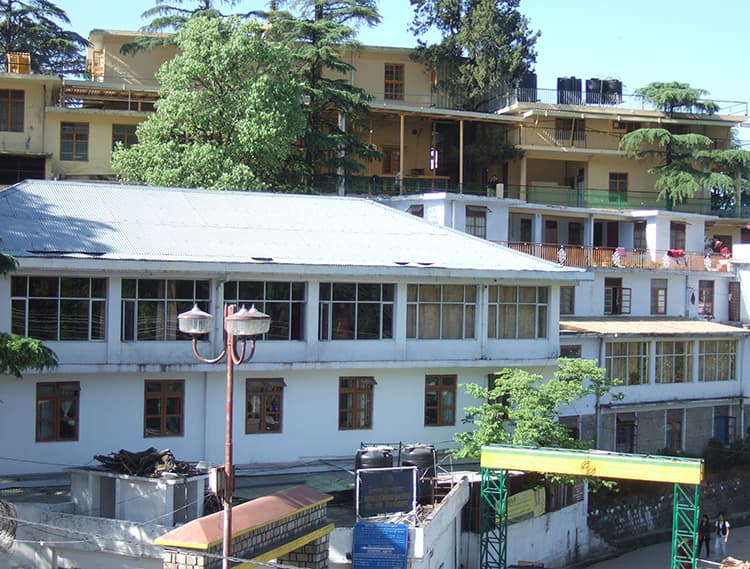
Institute of Buddhist Dialectics
His Holiness the Dalai Lama, the supreme omniscient and compassionate one, founded the Institute of Buddhist Dialectics. Geshe Lobsang Gyatso took full responsibility and established it in 1973, serving as the General Director. Subsequently, Geshe Damchoe Gyaltsen and Geshe Kelsang Dadrul successively held the position of General Director of the Institute of Buddhist Dialectics. Currently, Geshe Samten Gyatso is serving as the General Director. Currently, there are 160 monks and nuns here, including 122 monks from Tibet, Kinnaur, Ladakh, Monpa, Mongolia, and other ethnic groups, and 38 nuns. The students must first take a one-year course in Collected Topics, and then take exams on each year's curriculum for six years in the Perfection of Wisdom class, and must participate in the Jang Gunchoe at one of the three great monasteries. In the sixth or final year, they must take exams on the entire six-year curriculum of the Perfection of Wisdom from beginning to end, as well as a debate exam. Similarly, they must submit one written exam and one debate exam on the Treatise on Valid Cognition. It is three years in the Madhyamaka class. In the first and second years, there are examinations on the annual courses respectively. In the third or final year, one must take examinations on all the courses of the three years of Madhyamaka, as well as one debate examination. Similarly, one must submit one written examination on the Namgyal and one debate examination. It is four years in the Rimé Lopon class. In short, from the time one first enters the Riglam School, one must complete at least sixteen years of study, from the initial condensed monastic curriculum to the five major texts, the tenets of the various Rimé traditions, the Gyü Lama, and the tantras. If one passes the final tantra examination well, one will be awarded the Rimé Geshe degree. In addition, while studying at the Institute of Logic, there is an opportunity to study Tibetan grammar, poetry, history, Je Rinpoche's Lamrim Chenmo, Madhyamaka Ratnavali, Guide to the Bodhisattva's Way of Life, tenets, and English, science, etc., according to one's intellectual capacity.
Institute of Buddhist Dialectics McLeod Ganj, Dharamsala Distt. Kangra Macloed Ganj,, Dharamshala
, 176219
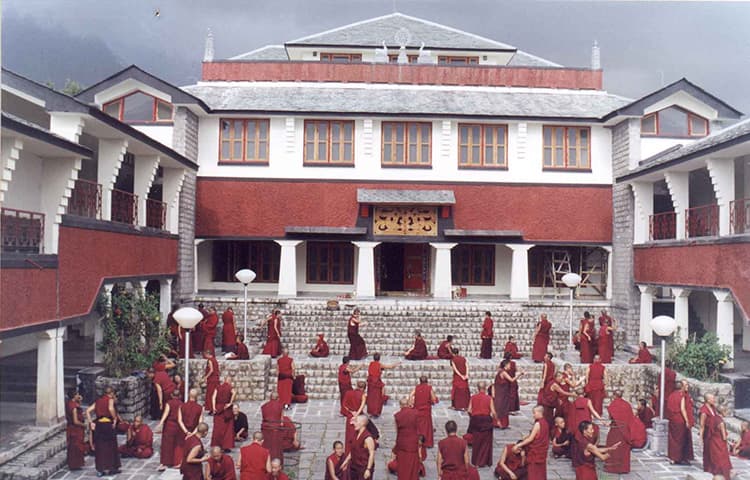
Dolma Ling Nunnery
Dolma Ling Nunnery and Institute of Buddhist Dialectics was established in 1990 because many new nuns arriving from Tibet faced difficulties with accommodation. For three years, it was under the care of the Central Tibetan Women's Association in a village near Norbulingka, India. Subsequently, the nunnery was officially founded in 1993, and studies commenced in 1994, marking over 30 years of operation. The main sacred objects in the temple include a Thubwang (Buddha Shakyamuni) statue made of appliqué, with Avalokiteśvara on the right and Green Tara on the left. In the far right corner of the temple, there is a small, blessed shrine with statues of the Twenty-One Taras and the Thirty-Five Confession Buddhas. In the far left corner, there is a protector deity shrine. This nunnery has a total of 19 classes from preliminary to tantra, 22 graduates of Geshema, and 33 nuns taking the Geshema exam. The main subjects are Buddhism, Mandala, Chodpa, Painting, Tibetan Culture, and English. In addition, they are studying and have been studying modern education-related history, mathematics, and computers. The head of this institute is Geshe Lharampa Ngawang Tenzin, who is also the principal and teacher of Sera Jey Monastery. There are 10 Buddhist teachers, 1 Mandala and Choje teacher, 3 Tibetan culture teachers, 3 English teachers, and 1 science teacher, for a total of 18 teachers. Currently, there are approximately 279 nuns in the nunnery, including those from Tibet, the Himalayan range, Nepal, Russia, and other foreign countries. Among the total number of nuns, 11 are engaged in social services, 5 are in retreat, and 263 are currently residing in the nunnery. There are 170 nuns attending classes and taking exams, and 24 nuns who work and study while also serving the nunnery.
6926+9Q9, Sidhbari, Mohli Lahrandi, , Dharamshala
, 176053
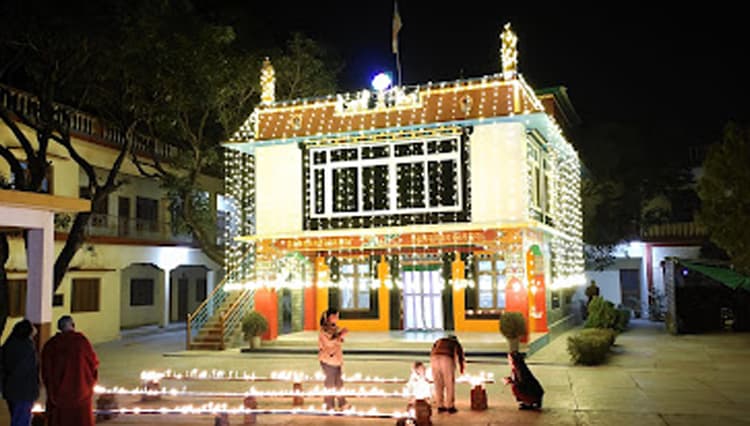
ཞ་ལུ་དགོན་པ། (ཞ་ལུ། སྤོན་ཊ་ཆོལ་གསུམ།)
༄༅། །ཞ་ལུ་དགོན་པ་ནི། བསྟན་པ་ཕྱི་དར་གྱི་ཐོག་མ་བླ་ཆེན་དགོངས་པ་རབ་གསལ་གྱི་སློབ་མ་བགྲེས་ཤོས་ལོ་སྟོན་རྡོ་རྗེ་དབང་ཕྱུག་གིས་ཞ་ལུ་རྒྱན་གོང་བྱང་ཆུབ་དགེ་གནས་ཞེས་བྱ་བ་དགེ་འདུན་སྟོང་ཕྲག་ཡོད་པའི་ཆོས་སྡེ་ཆེན་པོ་ཞིག་ཕྱག་བཏབ། དེའི་སློབ་མ་ལྕེ་བཙུན་ཤེས་རབ་འབྱུང་གནས་ཀྱིས་དེ་དང་ཉེ་བའི་སར་རབ་བྱུང་དང་པོའི་མེ་ཡོས་ཕྱི་ལོ་ ༡༠༢༧ ལོར་ཞ་ལུ་གསེར་ཁང་ཁྲ་མོ་ཞེས་པའི་གཙུག་ལག་ཁང་ཕྱག་བཏབ་ཅིང་། འཕགས་ཡུལ་གྱི་པཎྜི་ཏ་ཆེན་པོ་ཇོ་བོ་རྗེ་དཔལ་ལྡན་ཨ་ཏི་ཤ་གདན་དྲངས་ཏེ་ཇོ་བོ་རྗེས་རབ་གནས་ལེགས་པར་མཛད། དེ་རྗེས་བུ་སྟོན་རིན་ཆེན་གྲུབ་དགུང་ལོ་སོ་གཅིག་ལ་ཕེབས་སྐབས་ཞ་ལུའི་གཙུག་ལག་ཁང་དུ་གདན་དྲངས་ཏེ་གདན་ས་མཛད། ཞ་ལུར་གྲྭ་ཚང་བཞི་ཡོད། བུ་སྟོན་མཆོག་གིས་ཇོ་བོ་རྗེ་དཔལ་ལྡན་ཨ་ཏི་ཤས་བྱིན་གྱིས་བརླབས་པའི་གནས་ཞ་ལུ་རི་ཕུག་བདེ་ཆེན་ཆོས་ཀྱི་ཕོ་བྲང་ཞེས་པའི་གཙུག་ལག་ཁང་ཕྱག་བཏབ། སྐབས་དེར་དགེ་འདུན་ཞལ་གྲངས་ ༧༣༣༠ ཙམ་ཡོད། གཞུང་ཆེན་བཀའ་པོད་ལྔའི་བཤད་གྲྭ་བཙུགས་པ་སོགས་མདོ་སྔགས་གཉིས་ཀྱི་སྒོ་ནས་བསྟན་པ་བསྐྱངས། དེ་ཉིད་ཀྱིས་མཛད་པའི་གྲུབ་མཐའ་ལ་བུ་ལུགས་སུ་གྲགས་ཤིང་། ལོ་ཙཱ་བ་རིན་ཆེན་རྣམ་རྒྱལ་དང་། ས་སྐྱའི་བླ་ཆེན་བསོད་ནམས་རྒྱལ་མཚན། རྒྱལ་སྲས་ཐོགས་མེད་བཟང་པོ་ལ་སོགས་པ་ཕྱིས་ཀྱི་མཁས་པ་ཕལ་ཆེར་རྗེ་འདིའི་སློབ་མར་གྱུར། རྗེས་སུ་དུས་ཀྱི་འཕོ་འགྱུར་དབང་གིས་དགེ་འདུན་གྲངས་ཉུང་དུ་ཕྱིན་ཀྱང་ཕྱི་ལོ་ ༡༩༥༩ ལོར་རྒྱ་དམར་གྱིས་བཙན་འཛུལ་མ་བྱས་སྔོན་དགེ་འདུན་པ་ ༣༦༠ ཡོད་པ་དེ་དག་གིས་བུ་སྟོན་ཐམས་ཅད་མཁྱེན་པའི་ཐུན་མོང་མིན་པའི་ཕྱག་སྲོལ་རྒྱུད་སྡེ་ལྔ་བཅུ་རྩ་གཉིས་ཀྱི་དཀྱིལ་འཁོར་དང་འབྲེལ་བའི་འདོན་ཆོག་སོགས་མི་ཉམས་པར་ལེགས་པར་འཛིན་མུས་ཀྱང་། རྒྱ་དམར་ཀླ་ཀློའི་བསམ་ངན་སྦྱོར་རྩུབ་ཀྱི་བྱ་བས་བོད་གངས་ཅན་ལྗོངས་ཀྱི་གཅེས་ནོར་ཆོས་དང་རིག་གཞུང་དགོན་སྡེ་གྲྭ་ཚང་སོགས་རྩ་ཆེའི་རིག་དངོས་རྣམས་ལ་ཉམ་ཆག་ཚབས་ཆེན་བྱུང་བའི་ཁྲོད་བུ་སྟོན་ལུགས་ཀྱི་བསྟན་པ་དང་གདན་སར་ཡང་ཉམ་ཆག་ཚབས་ཆེན་བྱུང་ཡོད། འོན་ཀྱང་རང་ཅག་ཁ་བ་རི་པ་རྣམས་ཀྱི་མེ་ཏོག་གང་ལ་ཕོག་པའི་ལྷ་སྐལ་ལྷར་བཅས་སྲིད་ཞིའི་གཙུག་རྒྱན་སྤྱི་ནོར་ྋགོང་ས་ྋསྐྱབས་མགོན་ྋརྒྱལ་བའི་དབང་པོ་ཐམས་ཅད་མཁྱེན་ཅིང་གཟིགས་པ་ཆེན་པོའི་ཐུགས་བསྐྱེད་བླ་ན་མེད་པའི་བཀའ་དྲིན་ཉག་གཅིག་ལས་འཕགས་པའི་ཡུལ་འདིར་བོད་ཀྱི་ཆོས་བརྒྱུད་ཆེན་པོ་བཞི་དང་གཡུང་དྲུང་བོན་དང་བཅས་པའི་བསྟན་པ་ཉམས་པ་སླར་གསོ་དང་མི་ཉམས་གོང་འཕེལ་ཡོང་ཕྱིར་ཆོས་བརྒྱུད་སོ་སོའི་གནས་གཞི་འདེབས་གནང་མཛད་ཅིང་། རྒྱལ་བའི་ལུང་རྟོགས་ཀྱི་བསྟན་པ་རིན་པོ་ཆེ་ཉམས་མེད་དབྱར་མཚོ་བཞིན་རྒྱས་པ་ནི་སྐྱེ་འགྲོ་སྤྱི་དང་། ཁྱད་པར་གངས་ཅན་པ་རྣམས་ཀྱི་བསོད་ནམས་ཀྱི་བགོ་སྐལ་དུ་ངེས་པ་མ་ཟད། སྣུམ་ཟད་ཀྱི་མར་མེ་ལྟ་བུར་གྱུར་པའི་བུ་སྟོན་ཐམས་ཅད་མཁྱེན་པའི་རིང་ལུགས་ཉམས་པ་སླར་གསོ་དང་མི་ཉམས་གོང་འཕེལ་ཡོང་སླད། ྋགོང་ས་ྋསྐྱབས་མགོན་ཆེན་པོ་མཆོག་གིས་བཀའ་བསྒོས་དང་བཅས་དཔལ་ལྡན་སྐུ་སྒེར་ཡིག་ཚང་ནས་འགྲོ་གྲོན་ཆ་ཚང་བཀའ་དྲིན་བསྩལ་ཏེ། ཕྱི་ལོ་ ༢༠༠༥ ཟླ་ ༣ ཚེས་ ༢༧ ཉིན་འཕགས་ཡུལ་སྤོན་ཊ་ཆོལ་གསུམ་གཞིས་ཆགས་སུ་ཞ་ལུའི་གཙུག་ལག་ཁང་དང་གྲྭ་ཤག་སོགས་གསར་སྐྲུན་གནང་ཡོད། ཕྱི་ལོ་ ༢༠༡༧ ལོར་༸དཔལ་རྒྱལ་བ་ཀརྨ་པ་སྐུ་ཕྲེང་བཅུ་བདུན་པ་ཨོ་རྒྱན་འཕྲིན་ལས་རྡོ་རྗེ་མཆོག་ནས་ཏི་ལོ་པུར་དུ་དགོན་པ་ཞིག་གསོལ་རས་གནང་རྗེས་སློབ་གཉེར་བསྟི་གནས་གཙོ་བོ་ཏི་ལོ་པུར་ཞ་ལུ་དགོན་པར་གནང་གི་ཡོད་སྟབས། འདི་གའི་དགེ་འདུན་པ་གནས་སྤོས་ཀྱིས་ད་ལྟའི་ཆར་འདི་གར་དགེ་འདུན་ཞལ་གྲངས་ ༣ ལས་མེད།། །།
CJP2+J2G, Shamsherpur, , Paonta
, 173025

Rachen Jangchub Choeling Nunnery (Rimey)
Rachen Jangchub Choekhorling Nunnery was founded in 1935 by Kyabje Ngawang Palsang, also known as Sherab Dorje. The first Druk Trul, Kyabje Ngawang Palsang, was born in 1872 in Monggar, eastern Bhutan. At the age of nine, he joined Bumthang Choedra, a monastic college with 1500 monks, under the Bhutanese government. Later, he went to Tibet and received the Geshe Lharampa degree at Drepung Monastery. He then went to Sakya and studied the commentaries of the Sakya tradition. In 1935, he founded this nunnery in Tsum. The current head is Druk Trulku Ngawang Khyenrab, and the nuns are self-sufficient and now allowed to eat from the communal kitchen. Currently, there are 45 nuns who are diligently engaged in religious activities.
Jangchub Chokor Ling Nunnery, Tsum Nubri Rural Municipality Ward No. 7, , Chhekampar, Distt. Gorkha
Kathmandu, 34000