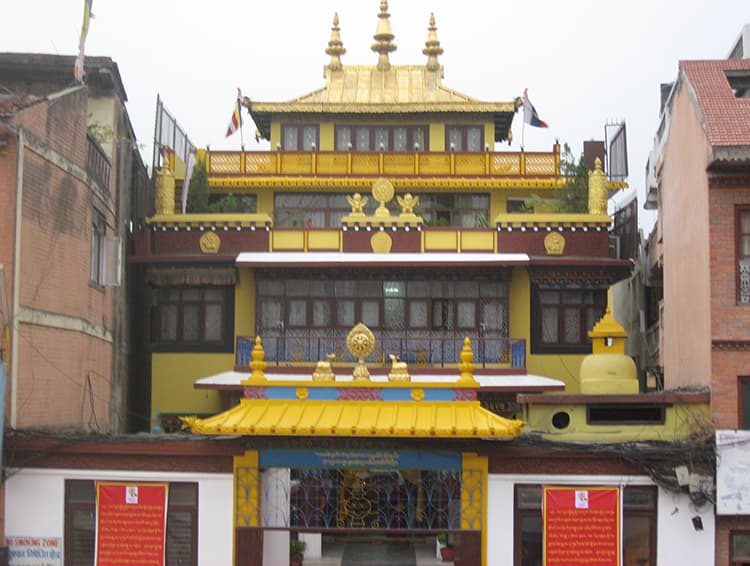
Chamchen Lhakhang Yiga Choezin
Chamchen Lhakhang Yiga Choezin was founded by Rongton Shecha Kunrig Shakya Gyaltsen in 1435 at Phenpo, located in the western part of Lhasa. Thus, a monastic centre known as Sri Nalanda or Palgyun kyi Wangpo founded. The Buddha dharma has flourished in the region both in terms of teaching and practice. After coming into exile, Sangchen Tenpei Dhagpo Chogyad Trichen Rinpoche founded the centre near Boudhnat stupa in Nepal in 1983. The main relics in the monastery are a gold and coppper statue of Buddha Maitreya, a gold and copper statue of Lord Buddha, an arrow size of a statue of Buddha light giver (Dipankara) with the statue Manjushri and Vajrapani at each sides, Three times Sangor, three deities of longevity, all knowing Rongtong, and clay statue of the twenty one Taras. In the library of the monastery, there are the translated words of Buddha, translated treatises, compendium of tantra, and compendium of Sadhanas and other scriptural texts of different sects. Rinpoche has also founded Tashi Rabten Ling in Nepal. Today, under the leardership of Sangchen Tenpei Dhagpo Chogyad Trichen Rinpoche, Jetsun Kunga Tendron and escort Chogyad, there total of 98 monks in the two monasteries. These monks are involved in preserving the usual lama practices, performing rituals, and studying the fundamental scriptures. The monks also perform rites of aids for His Holiness the Dalai Lama and the funeral rites of the great lamas of their own sects. The tenth day of every month is observed without fail.
Trikal Maitreya Buddha Vihara, Jamchen Lhakhang Monastery, Bougha-6, G.P.O. Box No. 4518,, Kathmandu,
, 4518
Evam Shedup Chokhorling
E-vam Shedup Chokhorling was newly founded by master Ngawang Drakpa in 1974 at Manali in Himachal. Later, the monastery was offered to Khangsar Ngawang Khentse Thupten Nyingpo. Today, under the guidance of master Ngawang Tsultrim, there 48 monks from Piti.
Evam Shedup Chokhorling Sakya Monastery, Rangri, P.O. Manali, Distt. Kullu, , Manali
, 176215
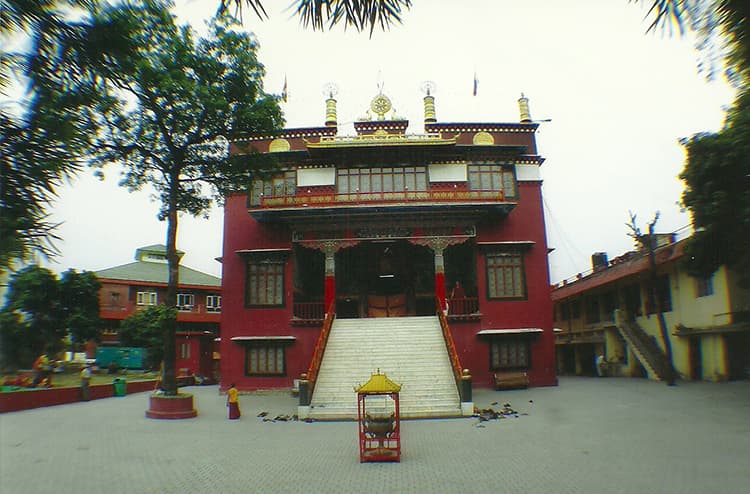
Tsechen Tenpe Gatsal Shedrup Choekhor Ling
Tsechen Tenpe Gatsal Shedrup Choekhor Ling was founded by Khonton Kunchok Gyalpo in 1073 at Sakya in Tsang region of Tibet. Later the name of the place was referred to an Individual and the Sakya sect flourished. Initially there were two monasteries, one in the south and the other in the west. The southern one was located in the south side of the Sakya Trum river at Thangshong and the western one was located in the west side of the Sakya Trum river at Ponpo mountain. During the time of Drogon Choegyal Phagpa, the great Sakya monastery was founded by the great king Shakya Sangpo and Sakya teaching and practice flourished. However, in 1959 and particularly during the time of Cultural Revolution, the monastery suffered colossal destruction. The Tibetans are restoring the monastery today. Many Tibetans fled Tibet to India in 1959, thus the Tibetan community was divided into two. In 1964 the 41st Kyabgon Gongma Trizin founded the monastery at Rajpur in Uttarkhand. There are 237 monks of different ethnicity such as Tibetan, Nepalese, Monpa, Mongolian, Bhutanese, Indian, Khunu and other foreigners studying the unstained Sakya tradition.
Sakya Centre 187 Rajpur Road P.O. Rajpur 248 009 Distt. Dehra Dun (U.A.), Rajpur
, 248 009
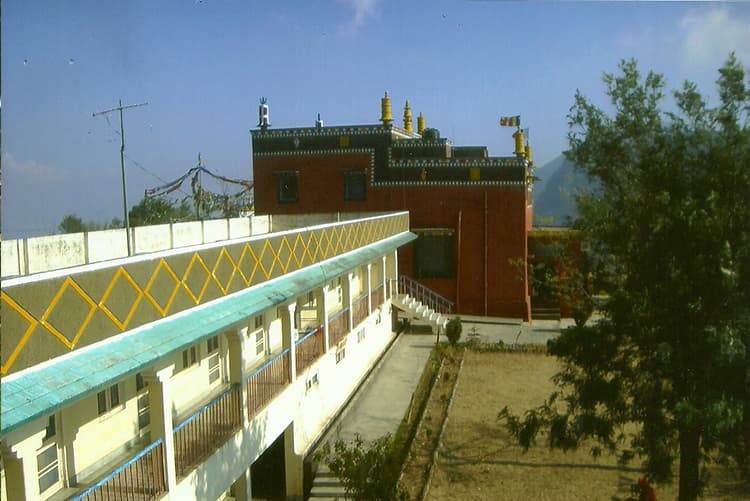
Kyegon Tsechen Samdupling
Kyegon Tsechen Samdupling was founded by the likes of abbot and Dhagchen Sherab Gyatso (Indian) through master and disciple relation. Before Tibet was occupied, there were 1200 monks at the center. As per the order of Ngorphen Khen Rinpoche Ngawang Khedup Gyatso and Ngor Lu Di Khen Rinpoche Jamyang Tenpei Nyima, Gapa Ta aur leader and Ta aur Shangpo Pema Dhondup took the responsibility and founded the temple and residence for the monks in 1966 at Kamrao in Himachal Pradesh. Today, under the leadership of Lama Wonpo Skyabgon Ngawang Thupten Choekyi Drakpa, there are 51 monks at the centre.
JM3M+M95, Paonta - Hatkoti Rd, , Kamrau
, 173029
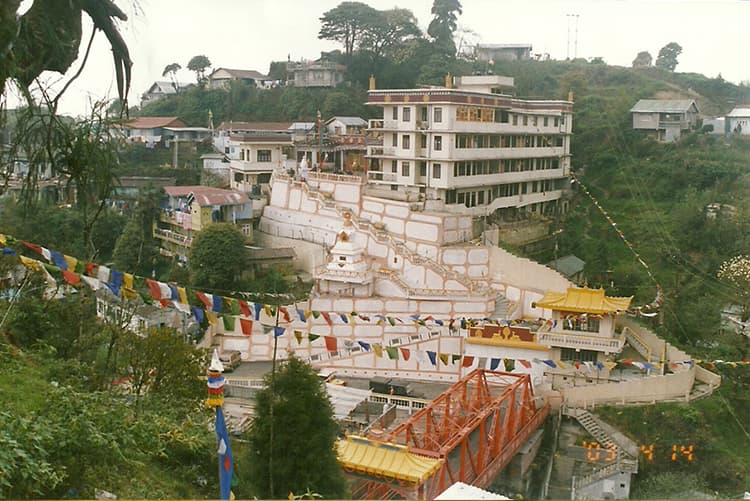
Sakya Guru Gonpa
Sakya Guru Gonpa was founded by Amdo Lama in 1909 at Darjeeling with the support of the local community association. After the Chinese occupation of Tibet in 1959, Gongma Dhagtri Rinpoche stayed at the monastery. This was the first Sakya monastery in exile and there were 90 monks at the center then. As per the aspiration of Gongma Dhagtri Rinpoche, master Sangye Tenzin was appointed as the abbot of the monastery. The practice of the three objects of taming; the root of Buddha dharma, mending vows, summer retreats and ceremony for releasing the summer retreat rules are still continuously being carried on at the centre. Since 1979, the monastery was registered to the state government under the name of Gongma Rinpoche. Today, the incarnate and abbot Kunga Tenzin Gyaltsen is studying at Rimbig university. There are 85 monks at the centre from different ethnic background such as Tibetan, Bhutanese, Nepalese, Indian and others.
Hill Cart Rd, Ghoom, ,
, 734102
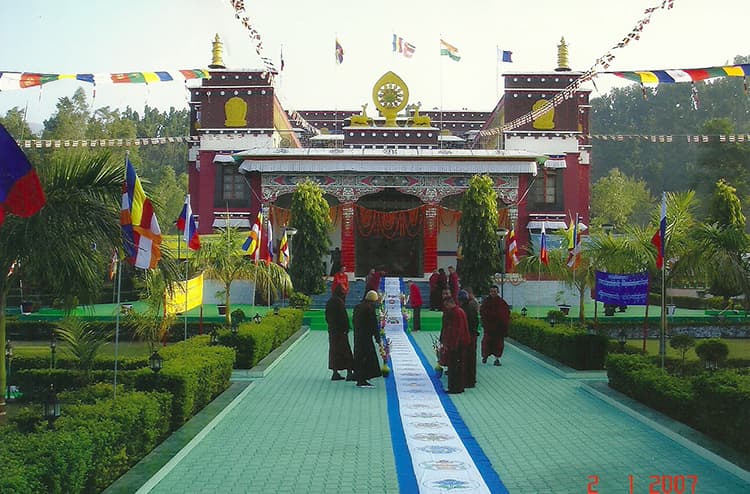
Pal Sakya Magon Shedra Thubten Namgyal Ling
Pal Sakya Magon Shedra Thubten Namgyal Ling was founded by Skyabgon Sakya Dhagtri Rinpoche in 1981 at Puruwala in Dehradun, to preserve and promote the learning and realization of Buddha dharma, the ritual tradition of Sakya and the Sutras, Mantras and commentaries that were inherited from previous generations of scholars. The main relic of the monastery is a statue of Buddha made of gold and copper. The statue was consecrated by Kyabje Dorjee Chang and Kyabje Luding khen rinpoche. As had been requesting for a long time, in 1982 His Holiness the Dalai Lama visited the monastery and stayed there for a week. During the week long period His Holiness gave religious teaching to the public. His Holiness has specifically appreciated the completion of the monastery with its relics and successful establishment of Sakya settlement. As per the monastic traditions of Tibet, Logic, Paramita, Madhyamaka, Vinaya, and Abhidharma, popularly known as the eighteen great texts are the part of the main curriculum. Additionally Tibetan grammar, poetry, history and English are being taught along with several modern related subjects. Through the exposition, debate and composition of abbot Rinchen, Gyatso and Jamyang Sherab, the students are nurtured with great success. From 1981 to 2005, there 68 kachoepa (a degree) and 68 spiritual master graduated from the centre, who are now serving in different monasteries in Tibet, India and Nepal. Today there are 62 monks at the centre from different regions such as Tibet, Ladakh, Mongolia, Bhutan, Nepal and India.
Sakya Magon Shedra Thubten Namgyal Ling, GM3W+VG6, Puruwala, Puruwala,
Himachal Pradesh, 173025
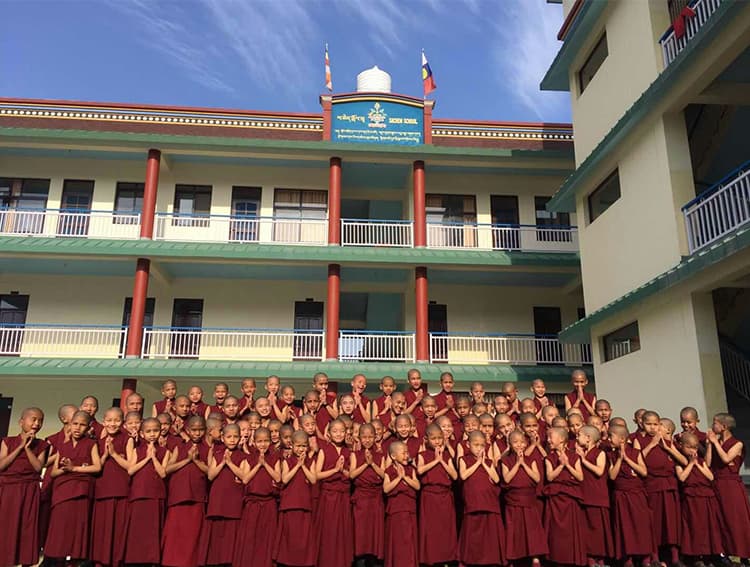
Sachen School
Sachen Lobdra was founded by Kyabje Sakya Gongma, the 41 throne holder at Dekyiling Tibetan settlement in Dehradun in 2015. The complete construction was completed in 2017. It was like a branch of Sakya college, where the foundational studies are being given. It was founded with the primary aim of imparting the basic knowledge of both modern and traditional field of studies amongst the young monks. It is a foundational school which is directly related to the Buddhist studies colleges. All the students at the centre are young monks. There are around 50 monks with Principal, secretary, teachers, nurse, kitchen manager, and cook during the initial stage. As a part of the curriculum, the school teaches Tibetan, English, Chinese, Hindi, Maths, religious history, and rituals. Once an individual reaches the standard of 9th grade, the concerned monk joins one of the Sakya colleges and fully dedicates to complete the Buddhist studies. The age range of the monks at the school is from 5 to 15 and the school is large enough to accommodate maximum of 150 students. There is no charge for tuition and living expenses of the students. There are 100 monks at the school today and they are studying at 6th grade.
Sachen School, Dekyiling Tibetan Settlement, Dehradun
Uttarakhand, 248013
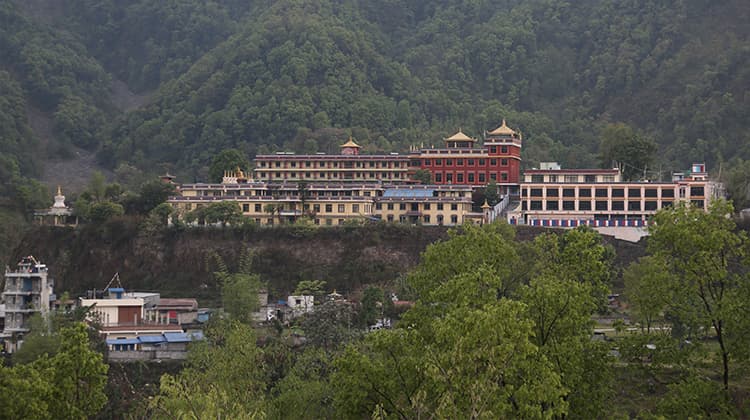
Sakya Padma Tsal Institute
Sakya Padma Tsal Institute was established in Pokhara, Nepal. The inauguration ceremony was performed by His Holiness the 18th Sakya Trizin on March 13, 1999 (26th day of the 1st Tibetan month), coinciding with the birth anniversary of the great scholar-practitioner Jamgon Lama Choje Sakya Pandita. The main founders of this monastery were Khenpo Kunga Dondrub and U.S.-based Khenpo Pema Wangdrak. Through their dedication and determination, this monastery has become a unique institution in society. The main purpose of establishment of this monastery was to Preserve and promote Tibet's unique Buddhist teachings, culture, and ethical traditions. Most of the monks of this monastery are from underprivileged families from Nepal's Himalayan regions like Lo Monthang and Tibetan refugee settlements. The education system of the monastery is combination of both ancient and modern methodology and it is free of cost. Currently there are Approximately 25 staff members and Around 155 monk students The monastery has two educational divisions - a basic school and higher Buddhist studies. The basic school goes up to 8th grade, with core subjects including English, Tibetan and Nepali languages, mathematics, science, health, social studies, and unique Sakya tradition rituals and practices. After completing basic education, students can enter the higher Buddhist studies program. The curriculum of the higher Buddhist studies is based on the Eighteen Major Treatises of the Glorious Sakya tradition. While maintaining pure moral discipline, the monastery provides modern educational facilities up to 8th grade, along with traditional religious training including ritual practices that are completed over nine years through morning and evening sessions. The monastery continues to recruit more monks and has established standards for completing studies up to the tenth level and teacher training, which takes up to twelve years. Currently, many graduates from the monastery's higher studies program have become Khenpos (abbots), teachers, and administrators of the monastery. The goal is not only to make students self-sufficient but also to nurture them to be capable of carrying out the three activities (study, contemplation, and meditation) for the benefit of this monastery, other Sakya monasteries, and Buddhism in general.
7X46+GH3, Pokhara 33700, , Pokhara
, 33700,
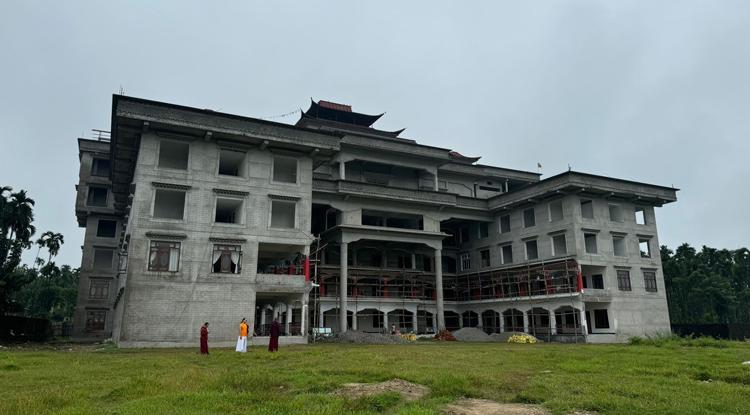
Sakya Thegchen Phuntsok Ling
Sakya Thegchen Phuntsok Ling was conceived during His Holiness Jigdal Dagchen Dorje Chang's visit to Bhutan from October 10-24, 2006. While traveling through Phuntsholing, Bhutan to West Bengal, India, His Holiness stayed at Phuntsholing. During breakfast on the 23rd, Rinpoche suggested establishing a dharma center and educational institution in the area. When told it would be difficult in Bhutan, he clarified that he meant in India, and gave his blessings saying, "I have aspirations and prayers for its future success. Watch and see how well it develops." Following his instructions, after several months of searching, the Sakya Tibetan Cultural Preservation Association was registered with the Indian government on July 20, 2007. Work began to fulfill Rinpoche's profound vision, but sadly in 2016, due to the limited merit of his disciples, Dagchen Rinpoche passed into parinirvana. To fulfill his wishes, the Phuntsok Palace attendants, monks, and staff have been working diligently to establish the monastery and school. The goals include creating a large institution for studying and practicing Tibetan Buddhism and also to serve as an exile seat for Dagchen Rinpoche's three grandsons: Avikrita Vajra Rinpoche, Abhaya Vajra Rinpoche, and Asanga Vajra Rinpoche. We also aim to maintain the pure traditions of the great Sakya monastery of Tsang and propagate the study of major texts from the Nalanda tradition while engaging in regular Activities includes: • Teaching of the Lamdre system • Daily Tara rituals and protector offerings for world peace • Monthly Gur Drak ceremonies unique to the Sakya tradition • Annual ceremonies including Vajrakilaya, Hevajra, and Vajrayogini • Memorial services for the Five Sakya Patriarchs and lineage masters • Meditation, Buddhist teachings, and other appropriate religious activities The ultimate aim is to foster the three trainings of study, contemplation, and meditation in the Mahayana tradition. The temple houses main statues including Buddha Shakyamuni, the Three Long-Life Deities, and the Five Sakya Patriarchs. The library contains the Kangyur and Tengyur (Buddhist canon), precious writings of scholars from various traditions, important Tibetan Buddhist texts, and various modern academic documents. There is also a stupa containing the relics of Jigdal Dagchen Rinpoche, surrounded by prayer wheels and statues. The school, run by the Sakya Tibetan Cultural Preservation Society, aims to provide Buddhist education and modern schooling from primary to university level for children from the Himalayan regions and local areas. The curriculum is based on Tibetan language while incorporating modern languages and sciences, focusing on preserving Tibetan Buddhist culture through contemporary education.
Sakya thegchen Phuntsokling Jaigaon sakya heritage society Bhuddha nagar Bara mechia Busty JAYGAON, , JAYGAON
, 736182