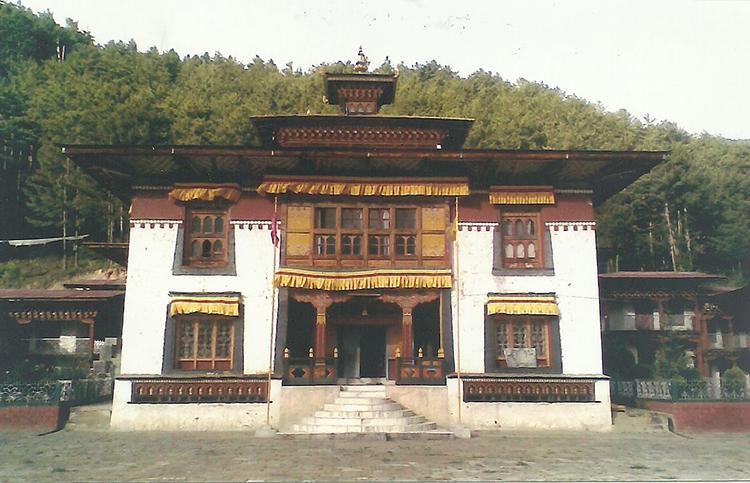
Lhodak Kharchu Duejomling
Lhodrak Kharchu Dudjom Ling: Kunkhyen Padma Karpo restored the meditation cave and founded the monastery on the site where the great accomplished Melong Dorje and Kuma Raja, the two teachers and disciples, resided. In 1679, in accordance with the decree of the Fifth Dalai Lama to write the monastery's charter, the Nyingma school was developed and expanded with the tradition of Namdroling Monastery, adorned by the practice of Rigzin Jangpa Yabsey, and was named Lhodrak Kharchu Dudjom Ling. After the changes in Tibet, according to the vision of His Holiness the Dalai Lama, the seventh reincarnation of Nubchen Namkhai Nyingpo, Tenzin Gyaltsen, built a new monastery in Bumthang Lhamkhar, Bhutan, in 1982. In 1994, he established a shedra and a drubdra. Currently, there are about 537 monks who study the thirteen major texts from the first to the ninth year, including sutra, tantra, and other fields of knowledge. Upon completion of their studies, they are awarded certificate.
Lhodak Kharchu Duejomling, P.O. Chamkhar
Bumthang,
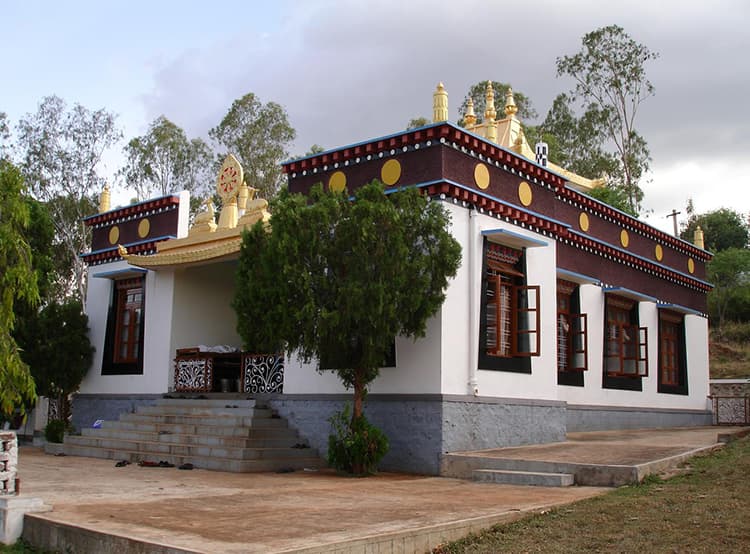
Tagsham Ogyen Samten Choeling
Tagsham Ogyen Samten Choeling was founded by the first stag sham gter chen nus ldan rdo rje in 1675 at spo bo and named rdo dung monastery. An image of a white conch emerged from a stone and so monastery was named as rdo dung. The monastery has become the residence of the successive reincarnations of stag sham. It was a center where both the monks and tantric practitioners study. The monastery has official letter and seal provided by the great fifth Dalai Lama advocating special privilege to it. By the grace of His Holiness the 14th Dalai Lama, the seventh stag sham ka rma yongs ’dus chos kyi nyi ma has founded the second stag sham center in 1978 at kollegal, south Indian. Many great lamas of Tibet and mainly His Holiness the Dalai Lama have visited the monastery and graced it. There are 36 monks studying at the center in order to revive and promote the traditional stag sham practices.
Tagsham Ogyen Samten Choeling, Chamrajnagar, P.O. Tibetan Settlement Kollegal Taluk,
Karnataka,
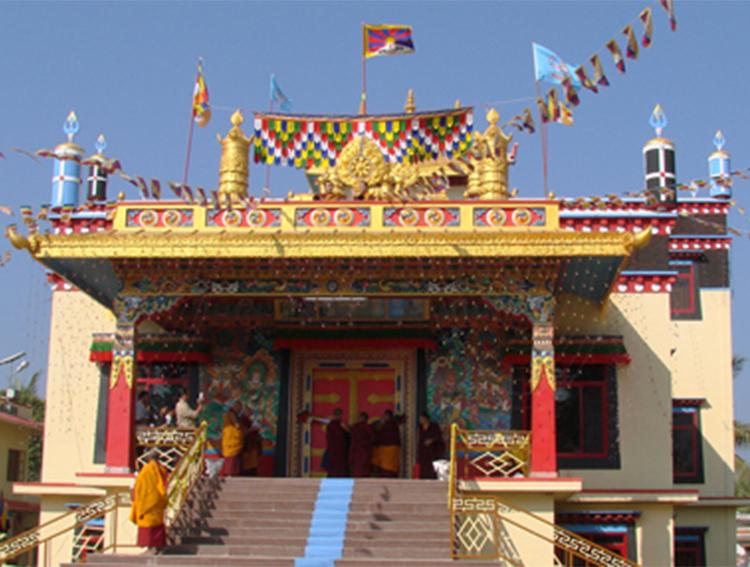
Ngagyur Dordrak Sa-Ngak Choekhorling
San-Ngak Choekhorling was founded as a homage to rdo brag rig ’dzin pad ’phrin mchod gnas by the myriarch of the five the Dalai Lama, zil gnon dbang rgyal rdo je or zhabs drung mthu stobs grags pa after the demise of his mother. It is said that the monastery has a history of more than three hundred and thirteen years. However, it suffered unbridled destruction during the Cultural Revolution, and only the trace is to be seen today. For the benefit of doctrinal teachings in general and the critical condition of the snga ’gyur lha brag teaching in particular, stag lung rtse sprul rin po che has established the new monastery at Mundgod Tibetan settlement in 1973. The main inner monuments are statues of the Guru glorious subjugator of appearance and existence, Buddha and Avalokiteshvara. Additionally, there are scriptures ranging from translated words of Buddha into Tibetan, the great treasury of precious Termas, hundred thousand nying ma tantras, collected works of kun mkyen klong chen and an all-victorious stupa made of copper and brass. Since 1987, His Holiness the Dalai Lama has visited the monastery three times. Along with consecrating and blessing the center, he has given profound advices and guidance.Today there are around 34 monks including the head stag lung rtse sprul rin po che. To the young monks, traditional prayers, tune and melody of rituals with special emphasis on the three cycles of the northern Terma are being taught. Painting of mandala and practicing conch and trumpet are an integral part of the system. The elder monks complete the elementary of the northern treasure and practice intensive retreat.
San-Ngak Choekhorling, Lama Camp No. 1 P.O. Tibetan Colony Mundgod, Karwar
Karnataka, 581411
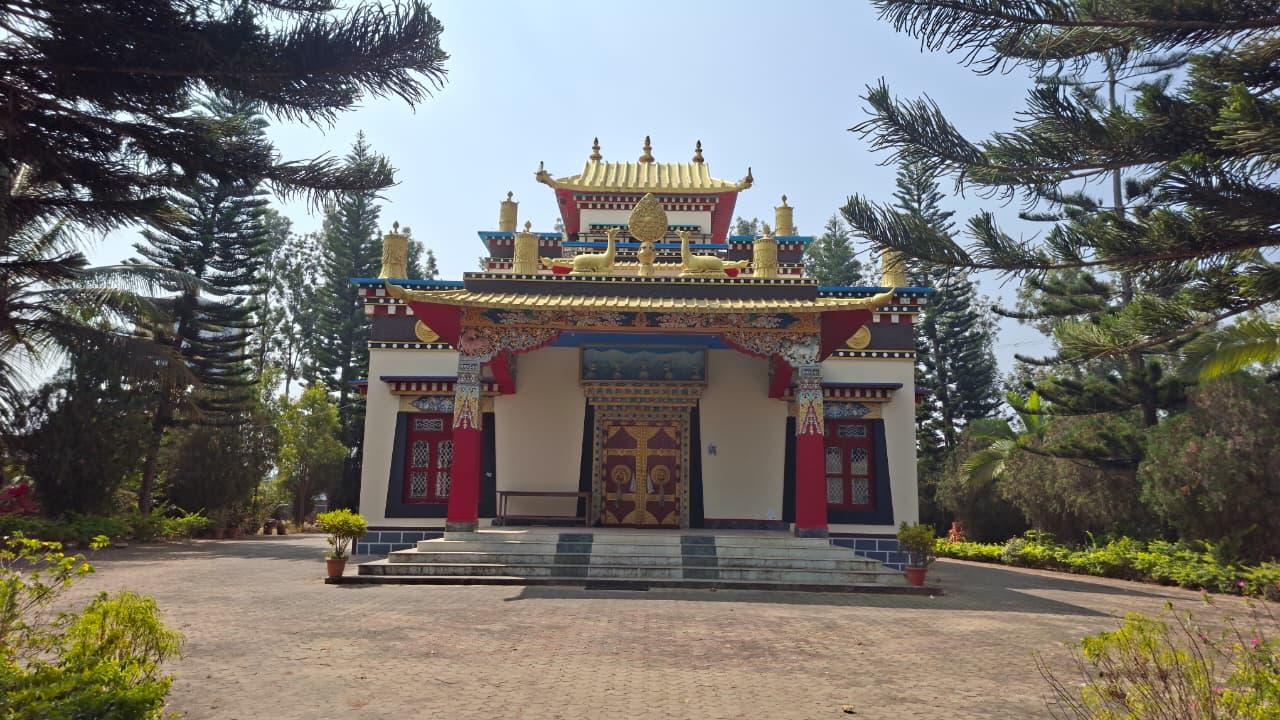
Pema Sang Ngag Chokhorling
Pema Sang Ngag Chokhorling consisted of three monasteries; lhasgangdgon, rnargadgon and lhabdundgon, was a vast religious institution. It was founded by kagyu lama zhangrin po che. Initially ordained monastic community prevailed, however, it later became a center for the rnying ma tantric practitioners and it remained till Tibet lost its independence. In India, grub dbang pad ma nor burin po che, the eleventh of abbots of rgyalbadpalyul pa, one of the seats of six great rnying ma centers have facilitated the establishment of the foundation of monastery at second village of Bylakuppe Tibetan settlement. The over all construction was completed in 2007. Today, around 18 tantric practitioners are maintaining the rtogspa’ichos.
Pama Sang Ngag Choekhorling, Dickyi Larsoe, P.O, Bylakuppe, Mysore
Karnataka, 571104
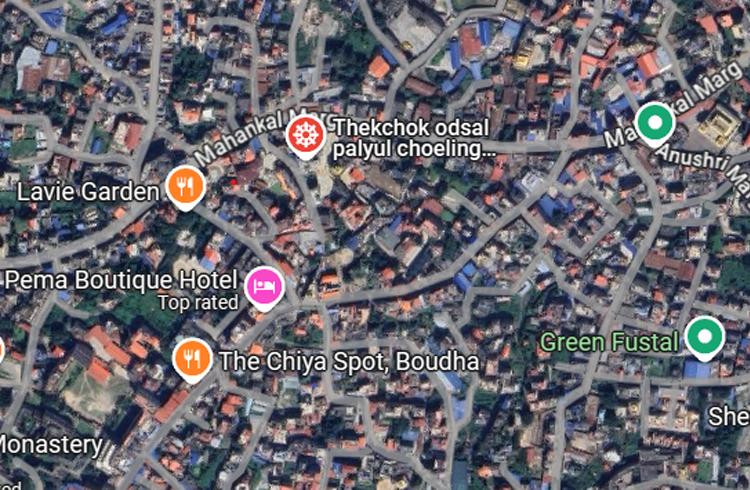
Palyul Choeling Monastery
Theg mchog aod gsal dpal yul chos gling is one the six main rnying ma monasteries. Since Rig ’dzin kun bzang shes rab, there have been eleven lineages. After the occupation of Tibet, the incarnation of the main monastery of rgyal wa dpal yul, rdzong nang rin po che restored the monastery with relics in 1986 in Nepal. Later, Grub dbang pad nor rin po che took the responsibility of the administration. Today, under the leadership of the reincarnation of Rdzong ngang rin po che, there are about 75 monks from places like: Tibet, India, Bhutan and Nepal.
Palyul Choeling Monastery, P.O. Box No. 3630, Ward # 6 Ramhiti, Boudhanath
Kathmandu, NA
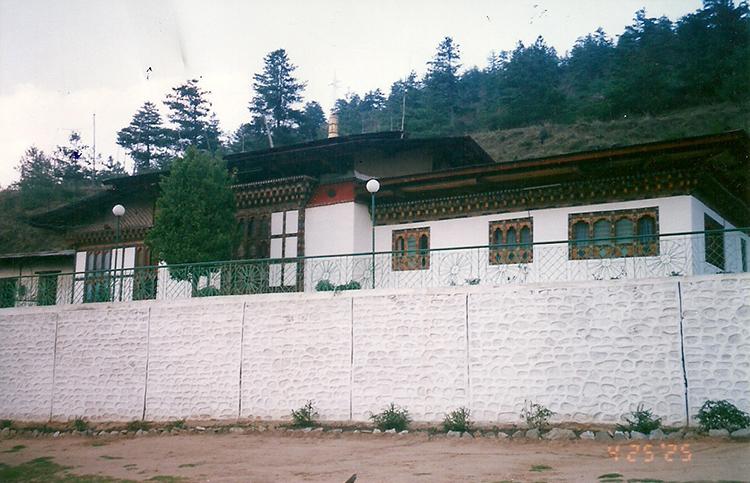
Shechen Chodzong Nunnery
Shechen Chodzong Nunnery was founded in Kham Dege by Shalu Rabjampa Tenpal Gyaltsen, the first reincarnation, in 1698. He entrusted the teachings to eight great students, including Gadyak Lama Padma Gyaltsen, and twenty-five successors capable of accomplishing both aims. The second Rabjampa reincarnation, Rigzin Paljor Gyatso, moved the monastery to a nearby location and named it Shechen Tenzin Dargyeling. The original monastery gradually became a nunnery. After the changes in Tibet, when Kyabje Dilgo Khyentse Rinpoche gave the first empowerment of the Rinchen Terzo, a devoted Bhutanese former judge named Gadzom offered a piece of land, and in 1971, this nunnery was rebuilt in Thimphu, Bhutan. Currently, under the care of both the reincarnation of Dilgo Khyentse Rinpoche and Shechen Rabjam Rinpoche, approximately 80 nuns from Tibet and Bhutan are preserving the teachings through study and practice.
Shechen Chodzong Nunnery, P/o Khasadrabchu
Thimphu, 11001
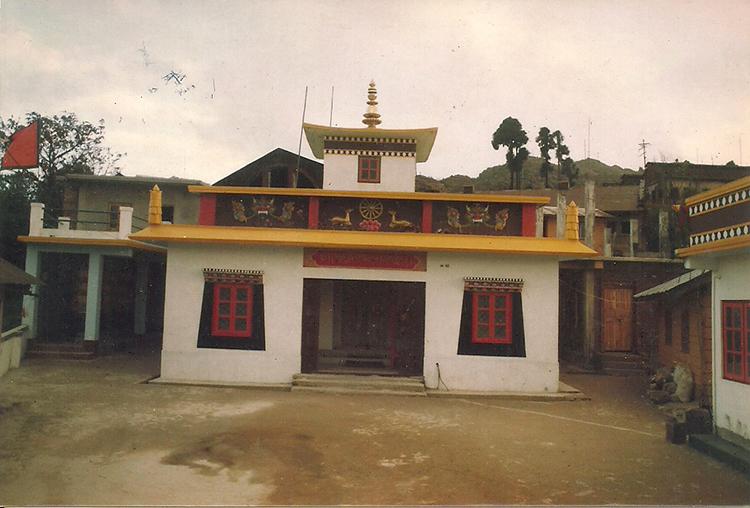
Phuntsok Ngayab Choekhorling
Phuntsok Ngayab Choekhorling was restored and its three supports were newly built at rdor rje ling by bya bral sngas rgyas rdo rje in 1959. The main support includes a gold and copper statue of Guru glorious subjugator of appearance and existence and other sacred relics of images, scriptures and mind. The monks at the center hear, learn and study the ocean of mantra and sutra treatises. The monks after finishing the series of stages of meditation from the center, they take the role of meditation master for three years and then stay at the center as per the norm. Today, up to three batches have completed the meditation. Based on the ritual tradition of ka thog, the monks annually perform rites and rituals for religious and secular purposes, such as Elaborate Assemblage of Knowledge Holder, recitation of the translated works of Buddha and ten thousand Tara prayer. The monastery has 35 monks including the director of the institute snga ’gyur bstan pa’i gsal byed skyab srje bya bral sgnas rgyas rdo rje.
Phuntsok Ngayab Choekhorling , Senchal Road, Jorebunglow P.O. Ghoom, Darjeeling
West Bengal, 734102
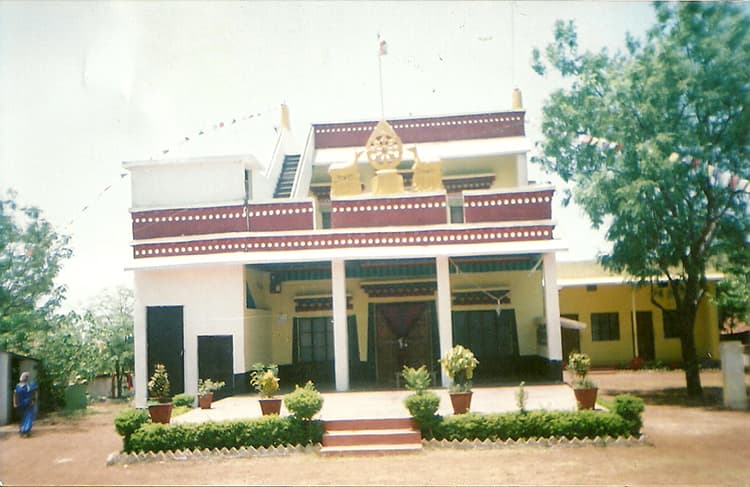
Ngagyur Drupgyu Choepheling
Ngagyur Drupgyu Choepheling is one of the monasteries of the four that were situated at four different corners of the byang gnam tsho lake in Tibet. It is situated at the south side of the lake and called gur chungrnying ma dgon. When Tibet was occupied by China, the monastery suffered tremendous destruction. The seventh gur chung lama blo gros dpal ’byor bzang po rin po che initiated the construction of new hall in 1974 at Bhandara, India and constructed zhing sgrub temple and tshe bcu temple one after another. Monks from the border areas of Tibet and Nepal study and practice the snga ’gyur rning ma rituals, such as the Embodiment of the three jewels, root initiation of zhi khro and zhi khro kar gling tshogs le rin chen phreng ba. It is a monastery that has three kinds of Mantrasand upholds the religious lineage of snga ’gyur rnying ma.
Ngagyur Drupgyu Choepheling , P.O. Pratapgarh, Bhandara
Maharashtra, 441702
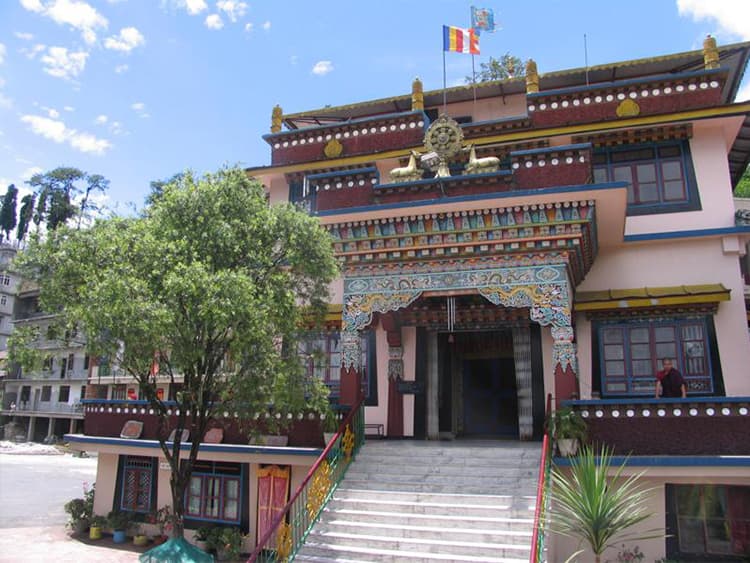
Gonjang Ogyen Dongak Choekhorling
Gonjang Ogyen Dongak Choekhorling was founded during 19th century by the sixth rig ’dzin pad ma chos ’phel at gtingskyes, in the central part of Tibet. In India, it was established in the year 1980 at Gangtok, by the disciple of the previous reincarnation mtha’ bral rdorje. In 1981, His Holiness the Dalai Lama has consecrated and supplicated for the center. Skyabs rje rdo grub rin po che has given the name ao rgyan mdos ngags chos ling to the center. In 1995 the byang dgon study center was established. As per the infallible prophecy of skyabs rje ’jigs bral ye shes rdoje, the present meditation center and residence of the study center and hall were established during the life time of byang dgon mchog sprul ao rgyan ’jigs med ’phrin las kun khyab mchog. The three cycles of the Northern Terma and treatises of the two kun mkhyen rong klongs are being studied by around 110 monks from Tibet, ’bras ljong, Mon, Bhutan and Nepal.
Gonjang Ogyen Dongak Choekhorling , Bhojogari, Gangtok
Sikkim, 737101